
Level 0
Bare board
No tape, no mud, and no corner bead.
Whatever you do, work heartily, as for the Lord and not for men. Colossians 3:23 (ESV)
Drywall
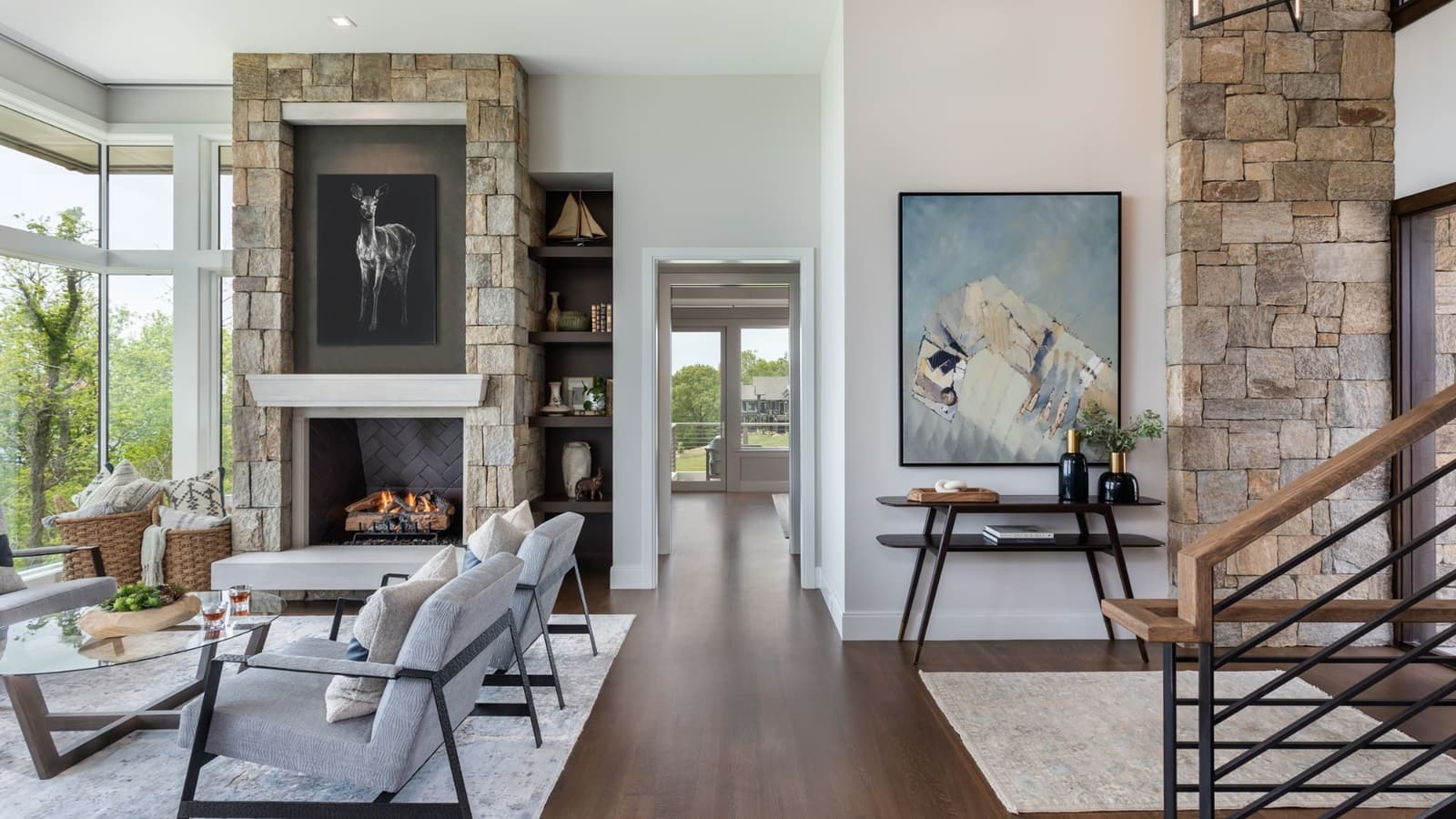
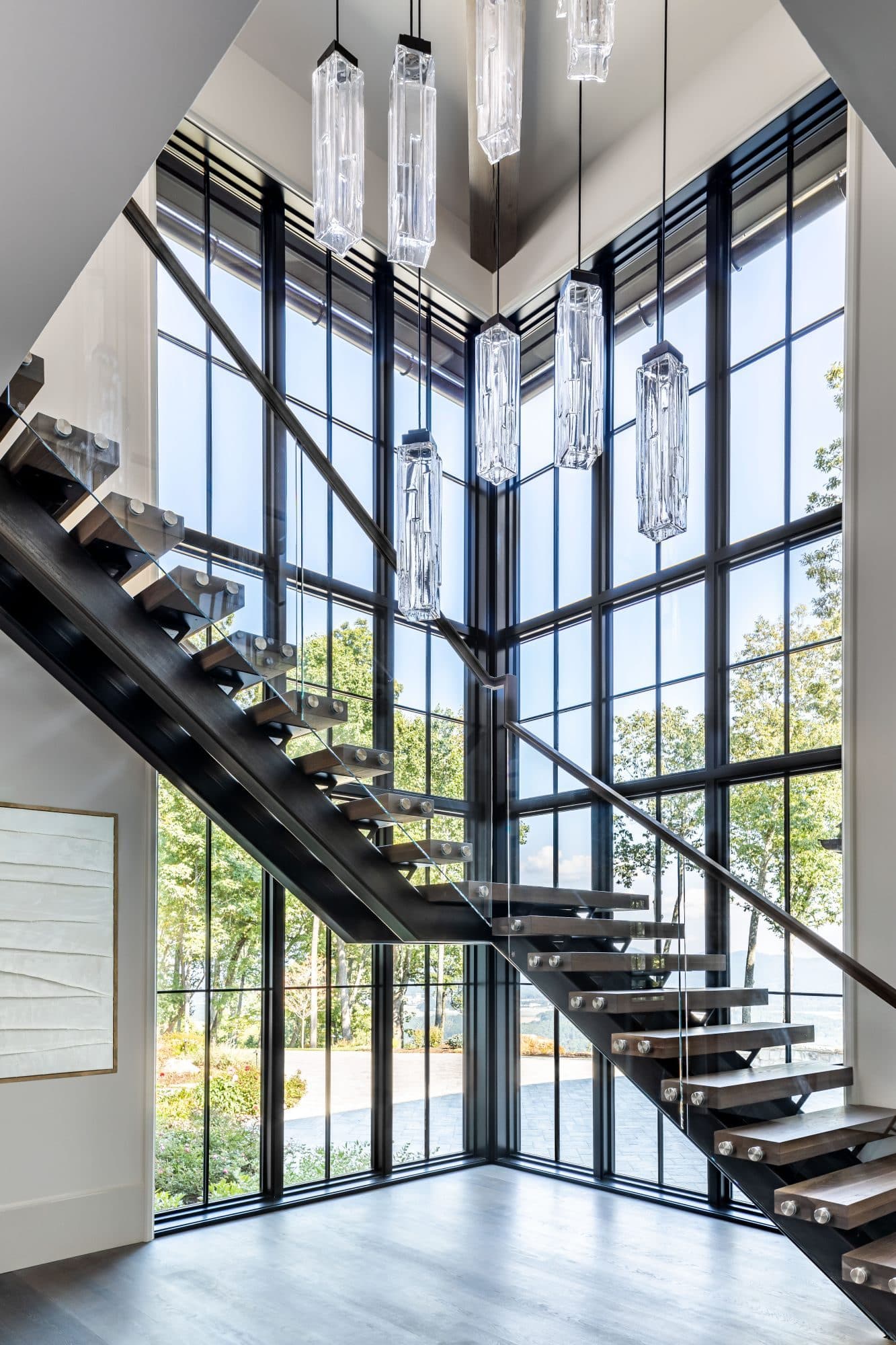
Hung and finished for very high-end custom homes, from studs to ready to paint. Level 5 where the paint and the light will show the sheetrock.
From a repair or touch-up to a 30,000 sq ft house, we insulate and drywall anything in between.
Photos courtesy of builders we work with.
“You not only cleaned up your mess, but everyone else's before you too. Thank you.”
Once the insulation is in, a drywall crew hangs and finishes the sheetrock, including texture when the room calls for it. The house moves from studs to ready to paint without a handoff to another company. If a patch is needed later, there is one office to call.
Exposed spray foam in a lived-in room still needs a thermal or ignition barrier. Drywall is the usual barrier, which is why the board follows the foam. On a new custom home the foam is a scheduled window in the framing, measured in days once the house is ready.
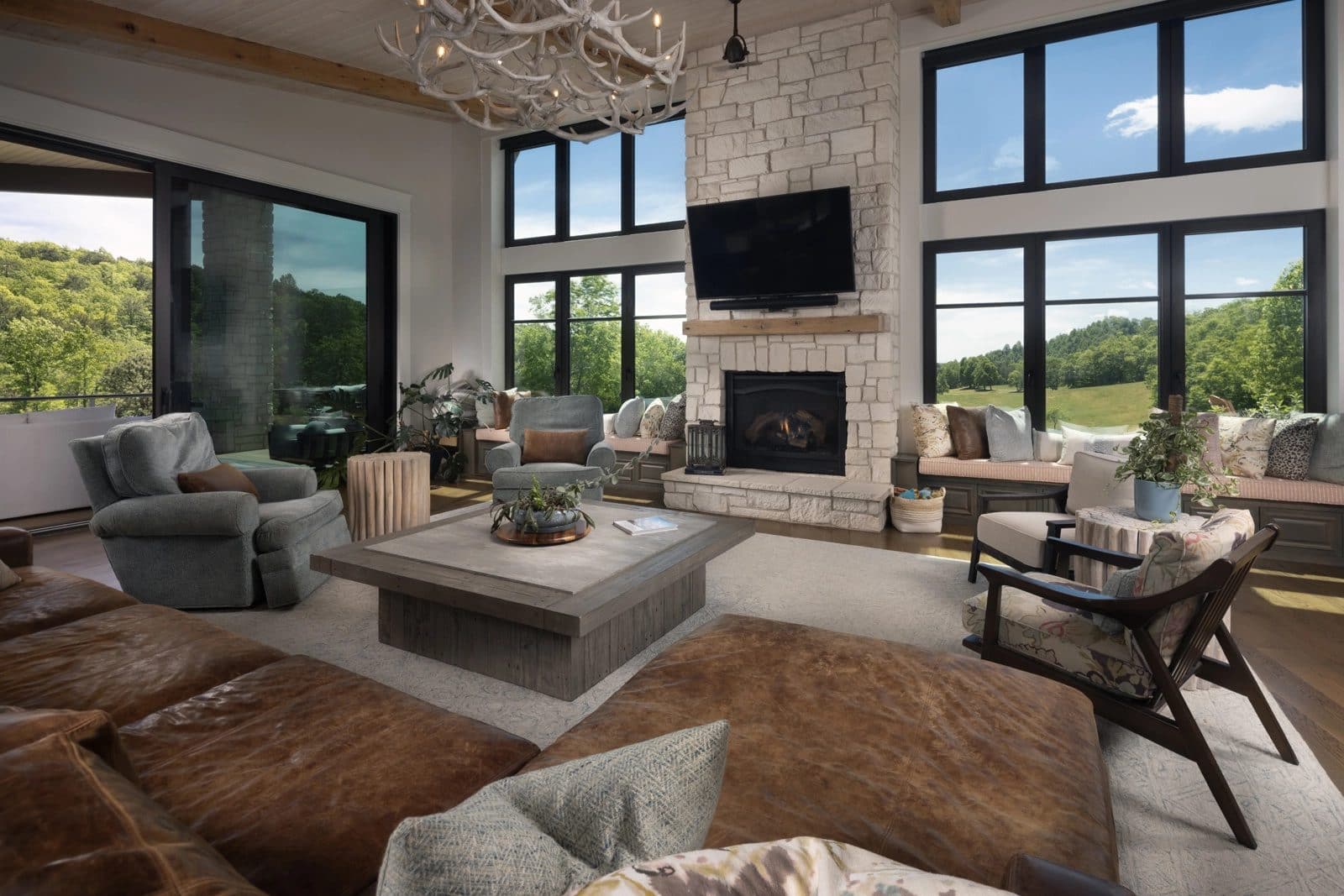
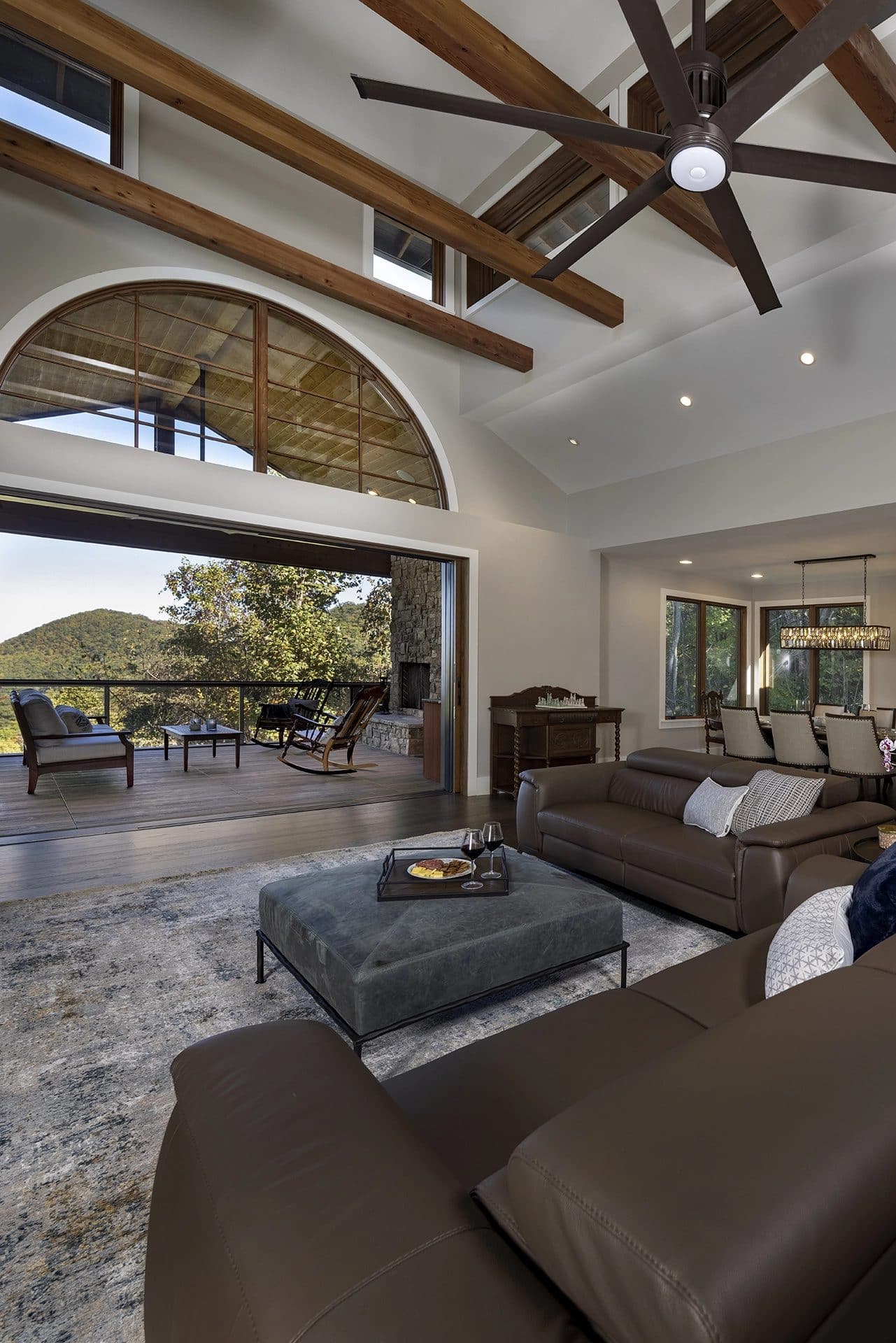
Very high-end homes often want a smoother wall than a standard joint. Level 5 is a skim coat over the whole face, used where the paint sheen or the light would show every joint. High-build primer, resilient channel, and tear-away bead belong in that same finish when the room needs them.
How this work lines up with the North Carolina code is on What we go by.
These are the standard finish levels. Level 5 is the specialty we use where the paint sheen or the light would show every joint.
Level 0
No tape, no mud, and no corner bead.
Level 1
The joint tape is embedded. There is no extra coat. It is a first pass, often where the board will stay concealed.
Level 2
A thin coat over the tape and the fasteners. The joint is covered. It is not smoothed for paint.
Level 3
Another coat over the tape and fasteners. The usual stop before a heavy texture or a heavy wallcovering.
Level 4
Tape, mud, and a smooth coat over the joints and fasteners. That smooth wall finish is what most painted walls start from.
Level 5
A skim coat across the entire face, so the joint compound and the board read as one surface. This is the specialty for a foyer, a stair hall, a window wall, or a primary suite.
Hanging and finishing are one drywall scope, for homes and commercial spaces. Send the plans and we will look at the house.
Acoustical ceiling tiles also close up a mechanical room, a utility room, or a furnace room, so that space looks clean, comfy, and homey instead of unfinished, and a little quieter than open joists. A drywall grid ceiling is the finished-board version of that idea: it lowers the ceiling or covers ducts, pipes, and wiring.
Send plans for a drywall estimate
These are the details very high-end homes ask for. Each one has a photo slot. The schedule is still studs to ready to paint, with a drywall crew under this company.
A skim coat over the whole wall, where the paint and the light would show every joint.
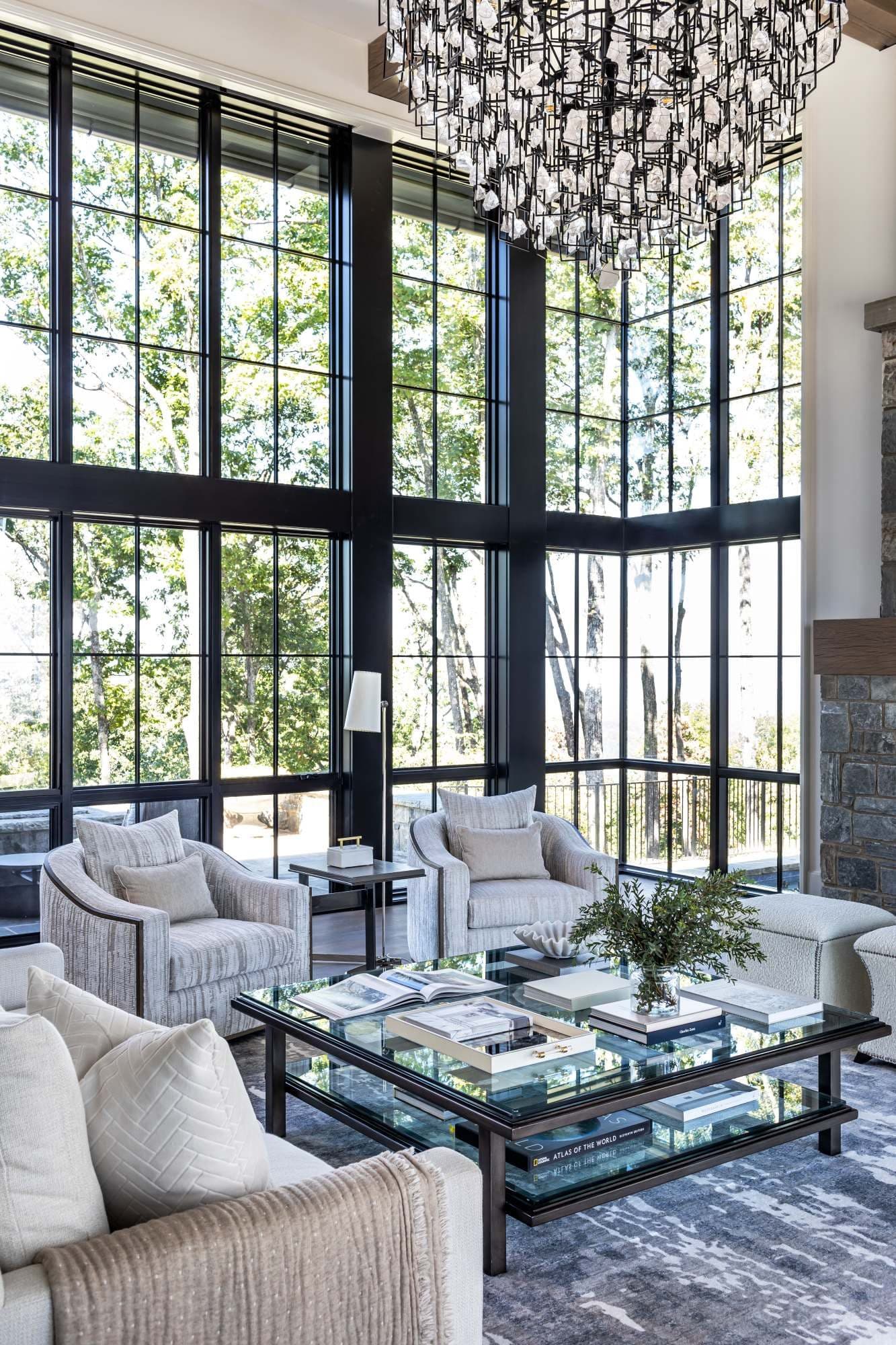
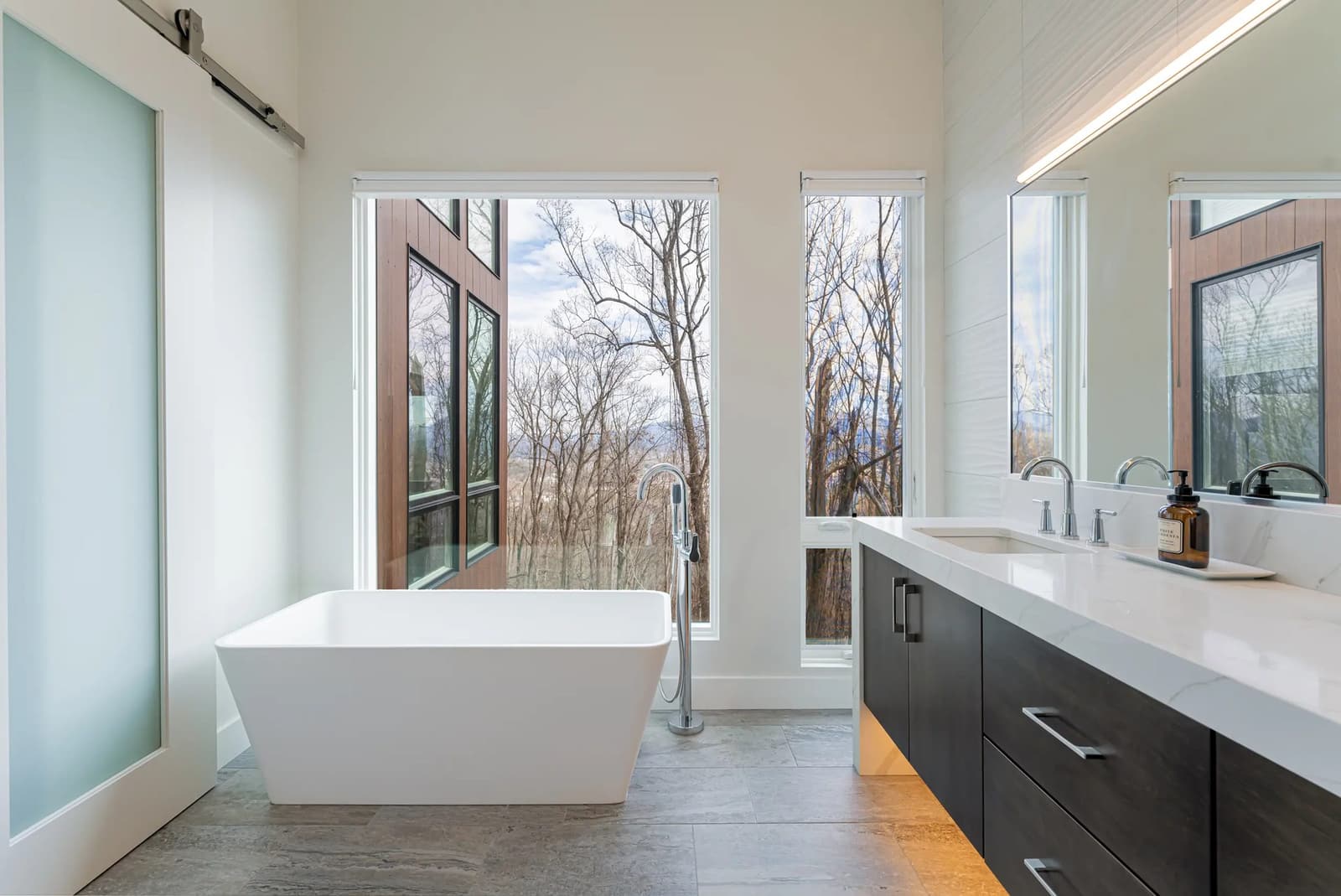
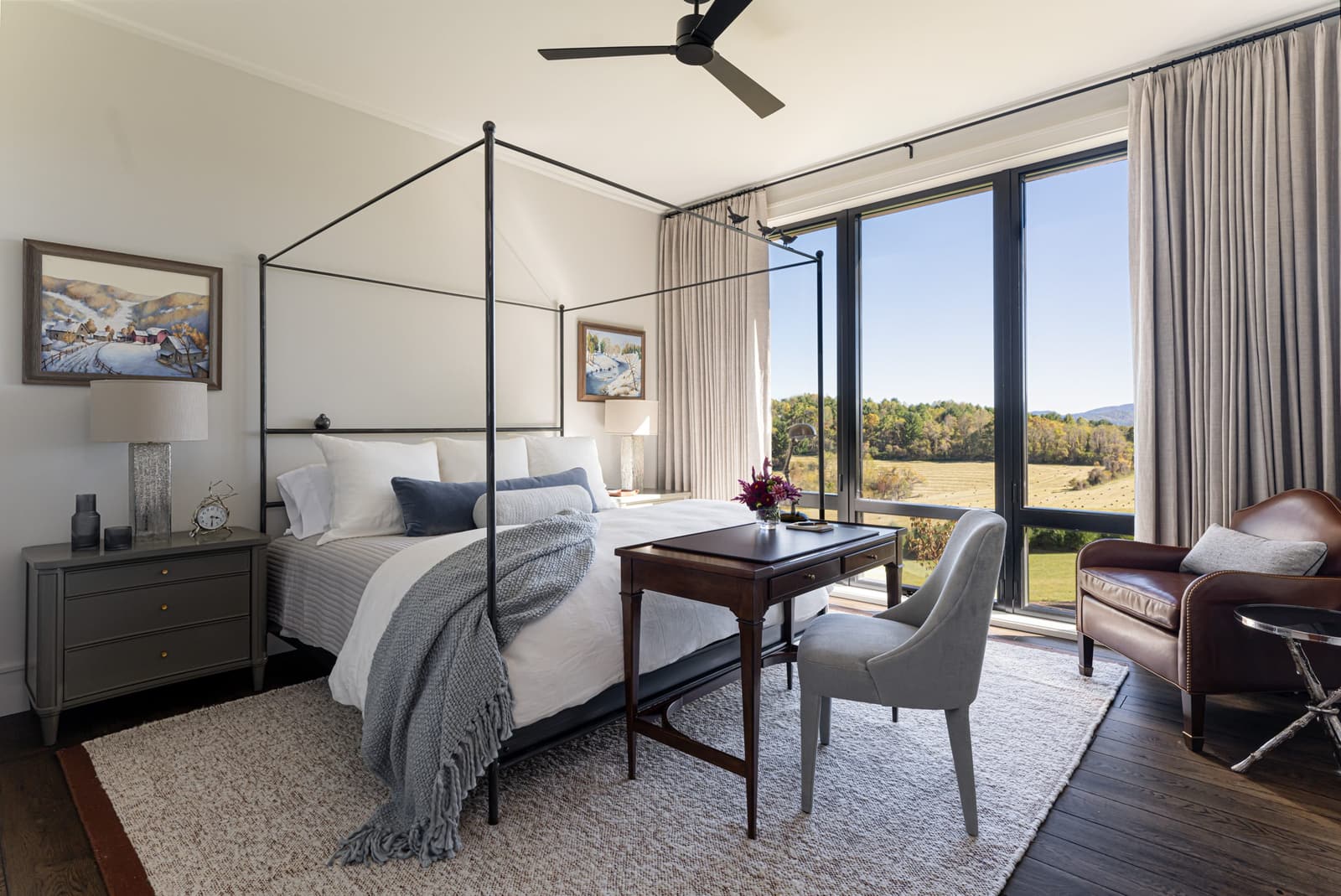
Level 4 finishes the joints and the fasteners. Level 5 adds a skim coat of joint compound across the entire face. The skim evens the texture of the joint compound and the face of the board, which is what shows up under a higher-sheen paint or under light that rakes down a tall wall.
Very high-end homes have those rooms: a foyer, a stair hall, a window wall, a primary suite. We use Level 5 there. The house is still on one company schedule, from studs to ready to paint.
A thicker primer coat after the finish, so the wall reads as one surface once it is painted.
Joint compound and the face of the board take paint differently. A high-build primer goes on after the drywall is finished and before the finish paint. It lays down a heavier film than a thin primer and helps even out that difference, including small ridges a critical light would catch.
It does not replace a bad finish. The board still has to be taped and coated correctly. When the specification calls for high-build primer, it is part of leaving the house ready to paint, done by the drywall crew that hung the board.
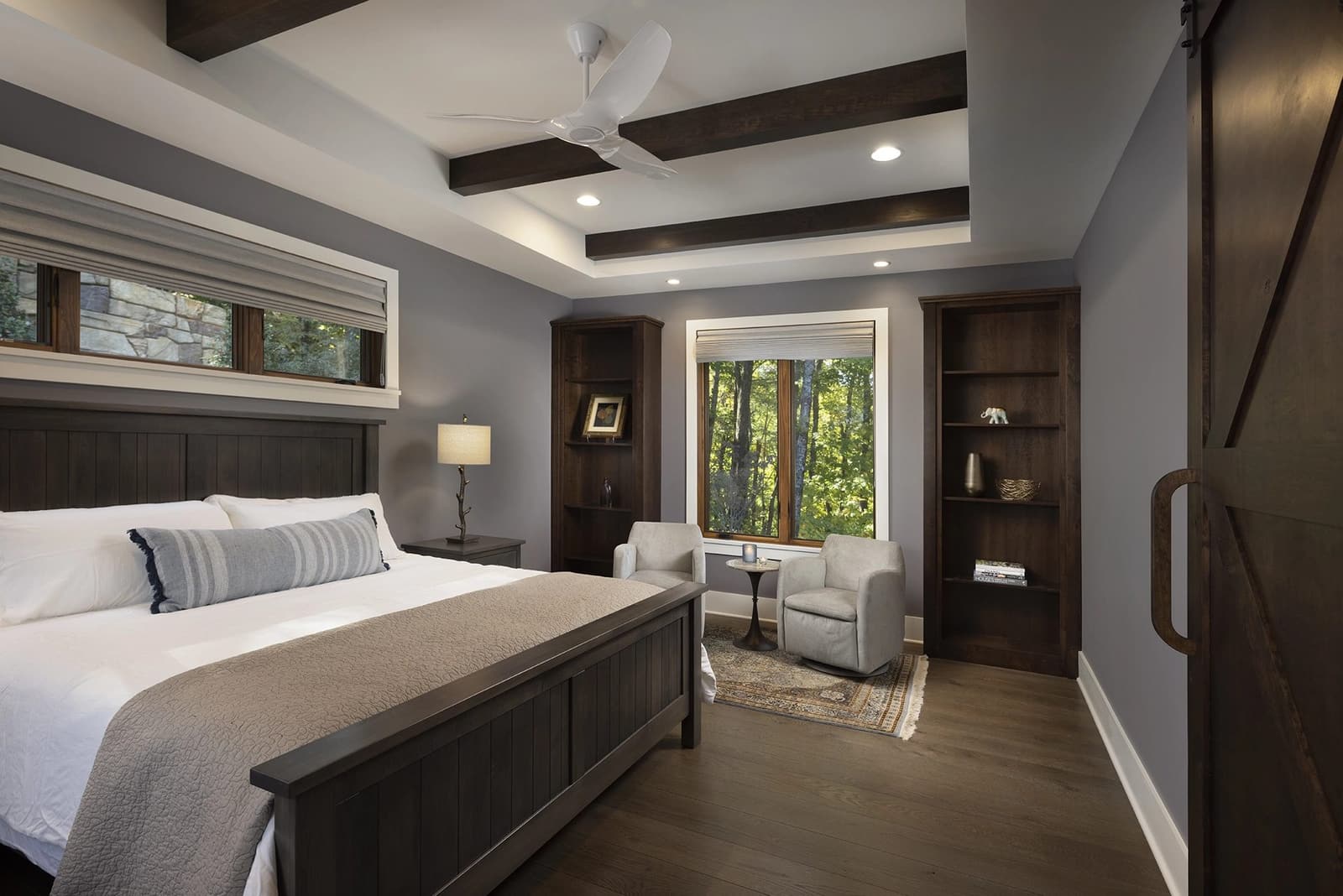
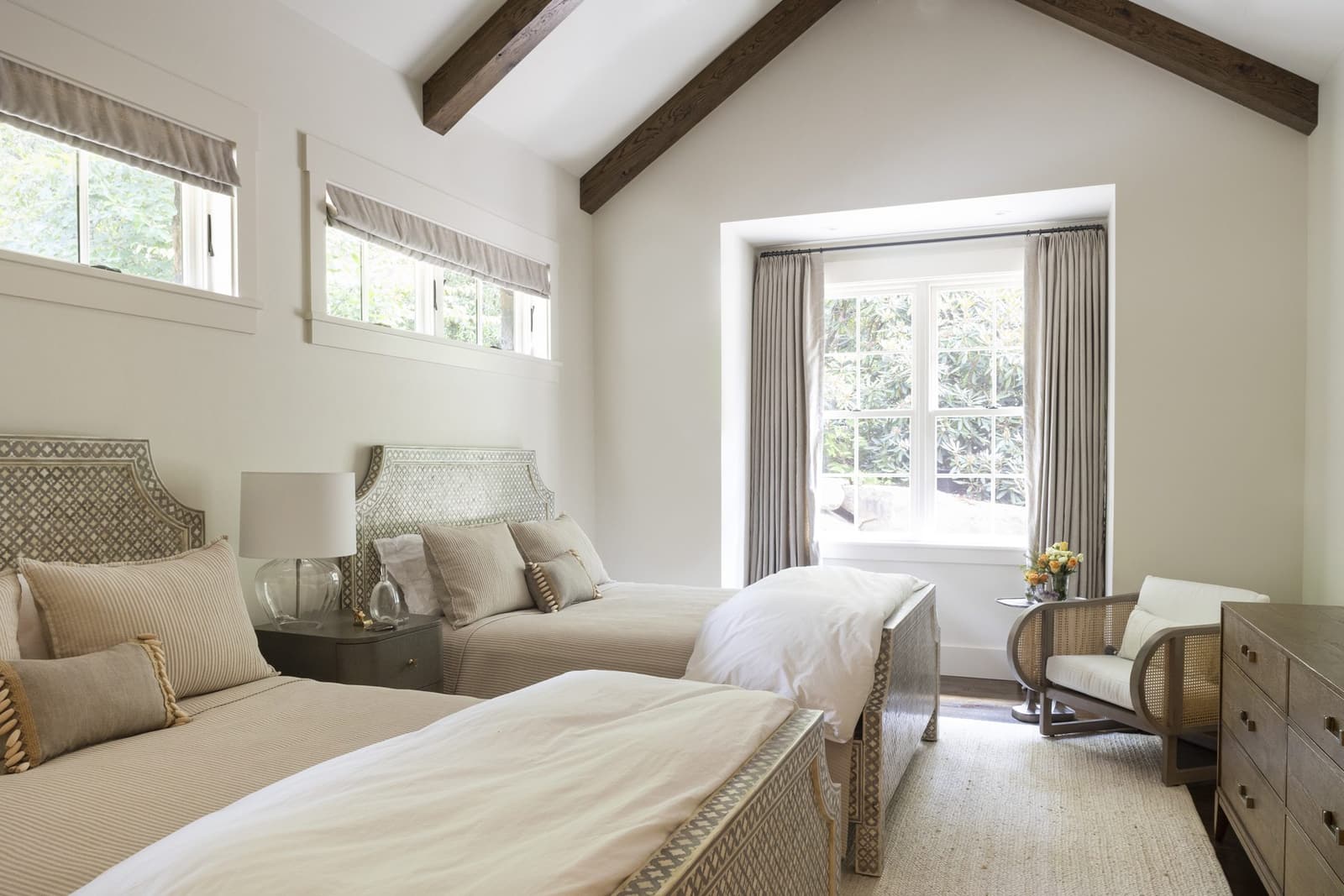
Resilient channel between the framing and the drywall, so the board is not locked to the stud.
Resilient channel is a thin metal furring strip. It is fastened to the studs or joists, and the drywall is screwed to the channel, not through the channel into the framing. The channel flexes a little, which cuts the path that carries sound through the studs.
The detail only works if the screws stay in the channel. A screw that hits the stud ties the board back to the framing and undoes the point of the channel. We use it with acoustic batts and with the perimeter sealed. It is the middle stage of our sound-control work, and it is hung by the drywall crew.
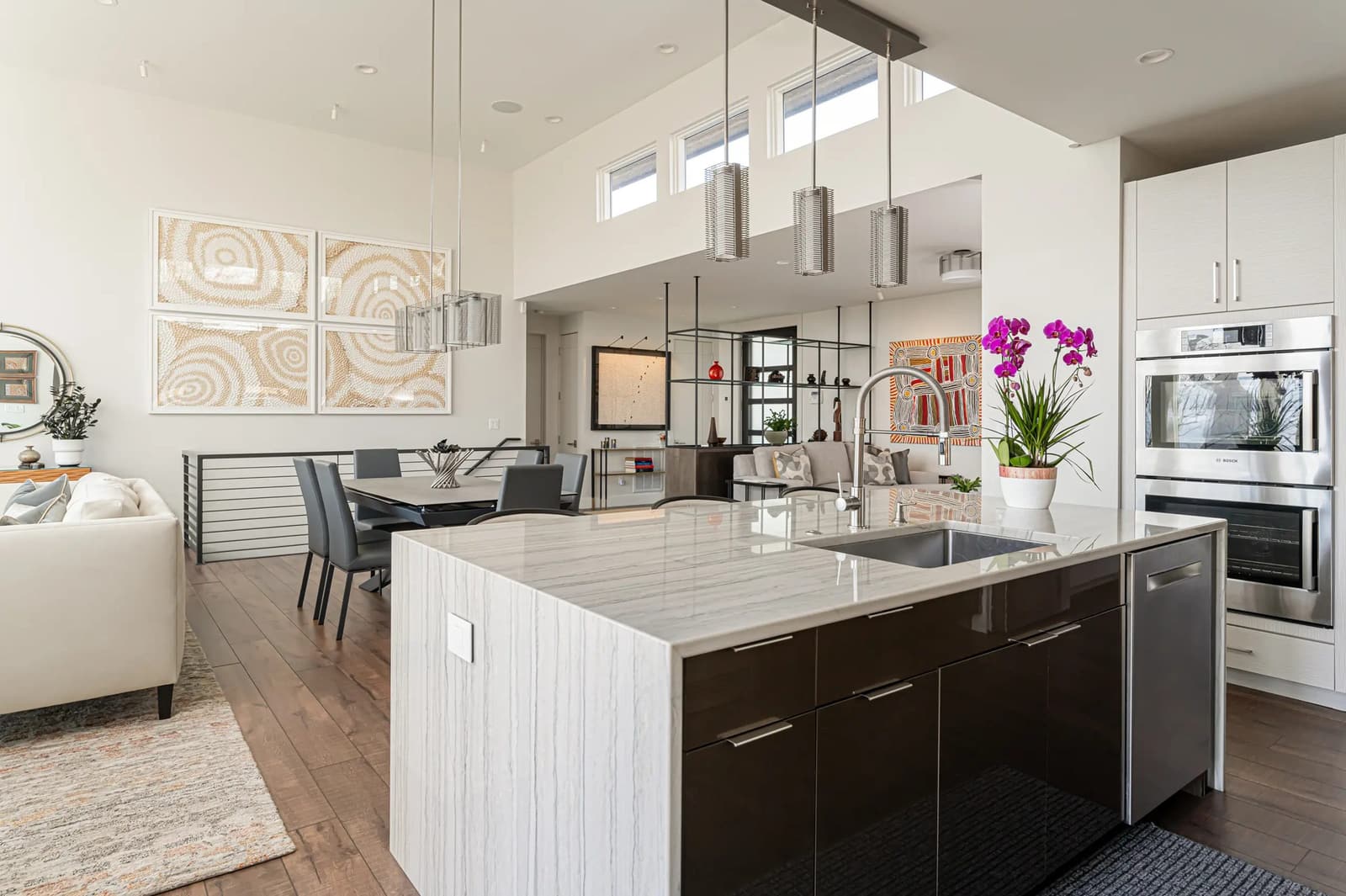
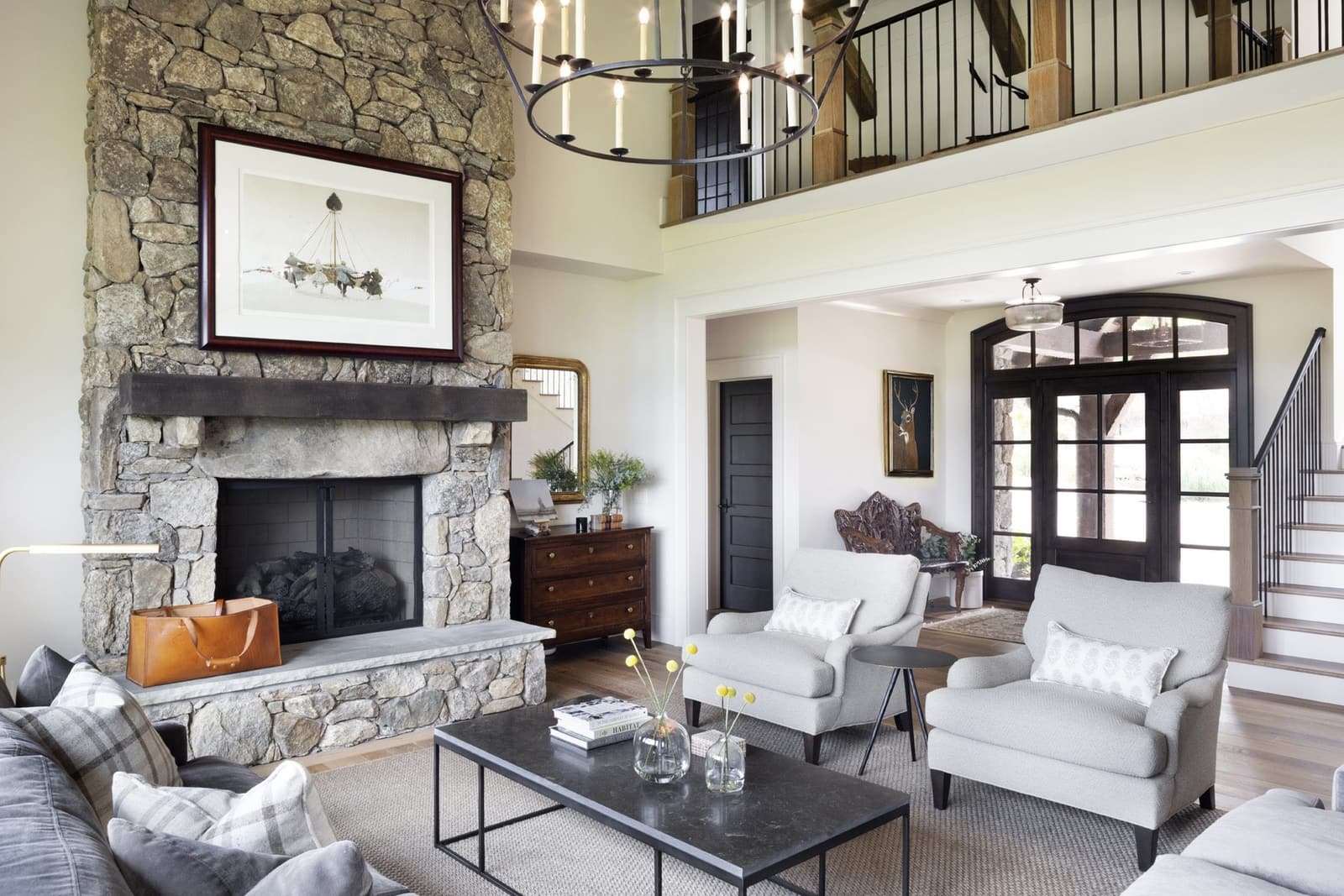
A trim with a strip that comes off after the mud, leaving a clean edge against another material.
Tear-away bead is a trim used where drywall stops against something else: a window, a door frame, an exposed beam, stone, or a finish that is already in place. The joint is finished up to a removable strip. When the strip is torn off, the edge is crisp, without a ragged tape line or a heavy caulk joint.
Custom homes have more of those meetings. Large window walls, timber, and mixed materials are where the trim earns its place. It is part of the finish, not an add-on after the painter has started.
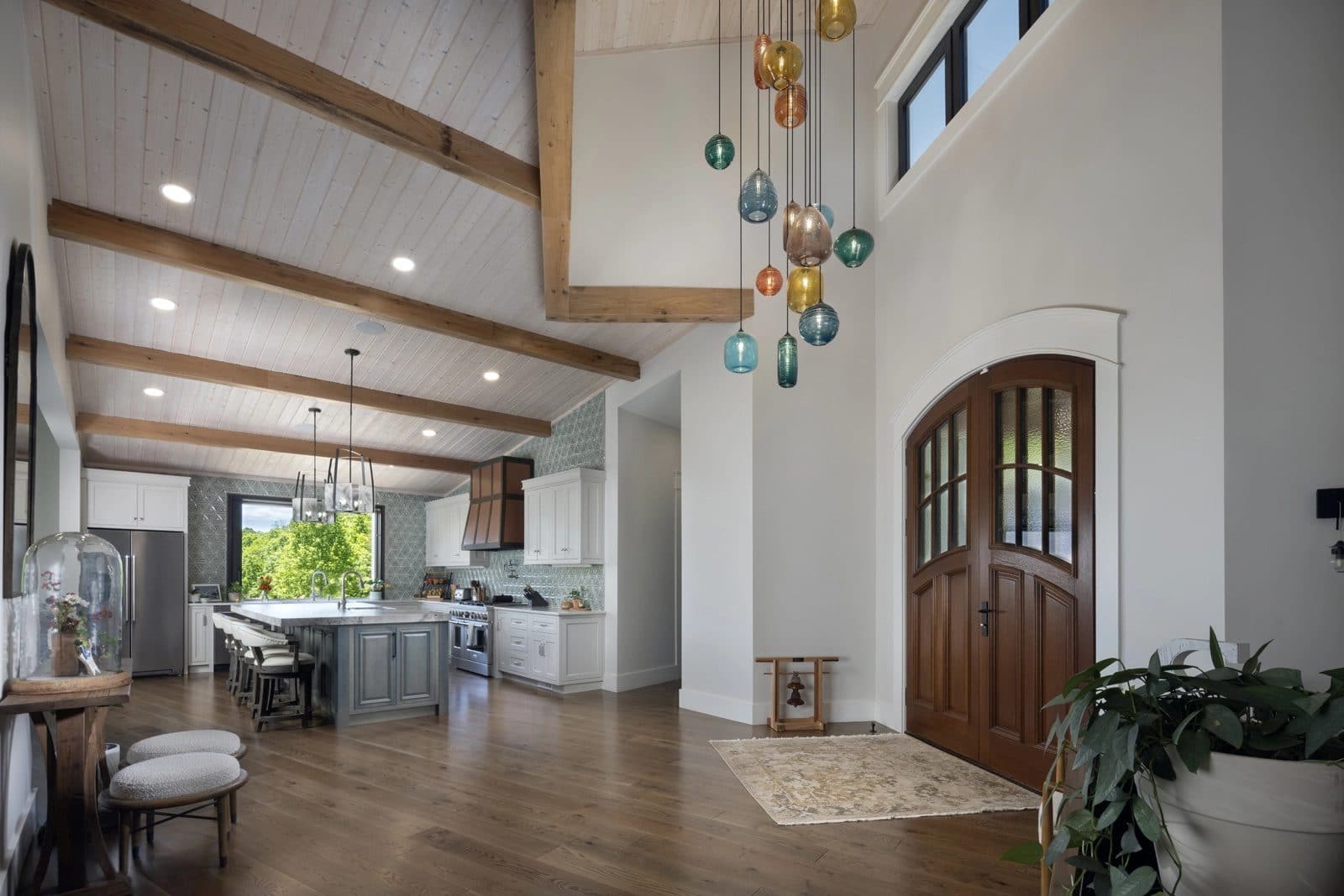
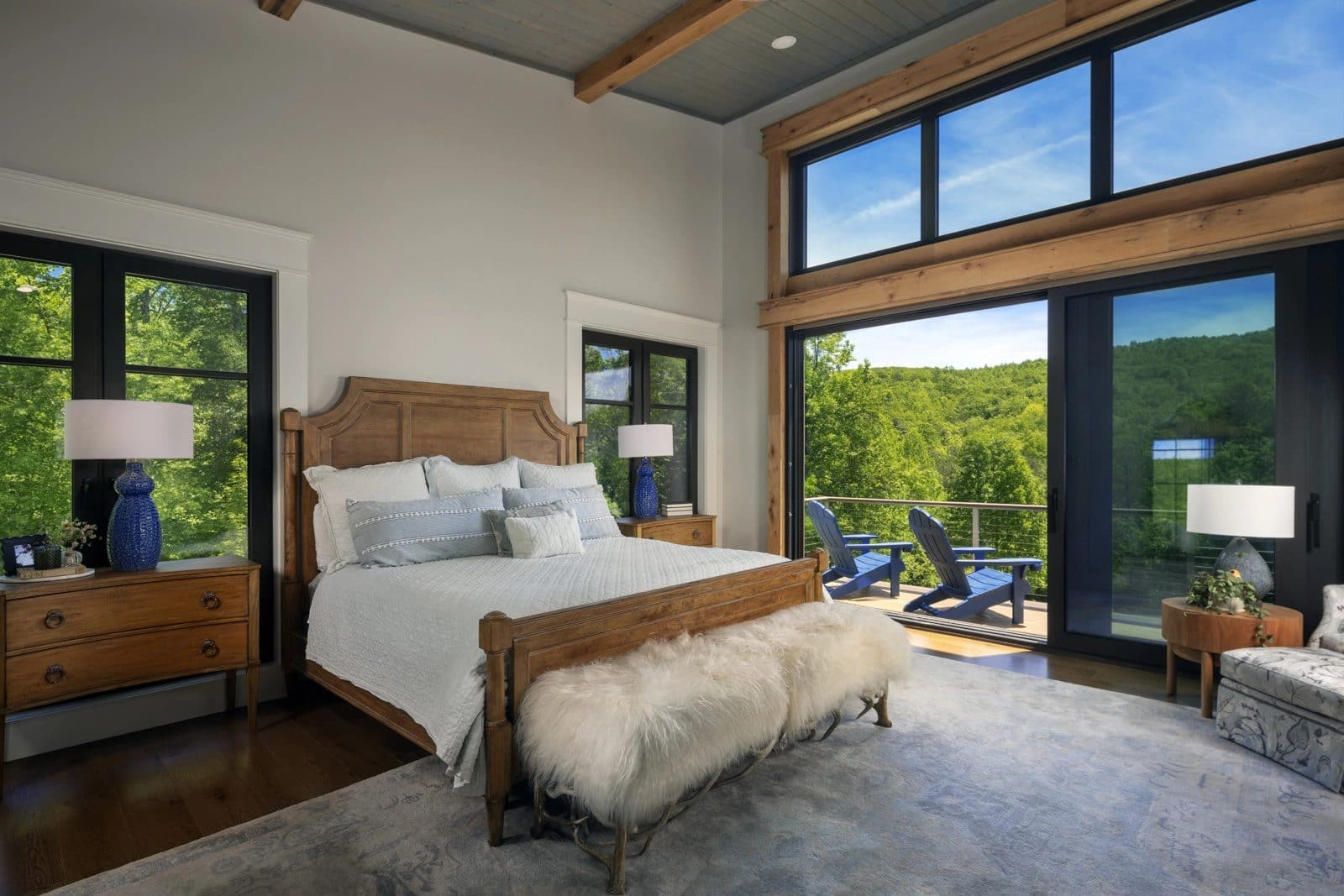
Level 4 is tape, mud, and a smooth coat over the joints and fasteners. Level 5 adds a skim coat across the whole surface. We use Level 5 where the paint sheen or the light would otherwise telegraph every seam. We do not skim a closet just to say we did.
Both. Hanging and finishing are one drywall scope. The company that insulated the shell hangs the board over it, with a drywall crew, not a second company.
Joint compound and the face of the board take paint differently. A high-build primer goes on after the drywall is finished and before the finish paint. It lays down a heavier film than a thin primer. It does not replace a bad finish. The board still has to be taped and coated correctly.
Resilient channel is fastened to the studs or joists, and the drywall is screwed to the channel, not through it into the framing. A screw that hits the stud ties the board back to the framing. We use it with acoustic batts and with the perimeter sealed. It is the middle stage of the sound-control work, and it is hung by the drywall crew. We do not publish STC or IIC numbers.
Tear-away bead is a trim where drywall stops against something else: a window, a door frame, an exposed beam, stone, or a finish already in place. The joint is finished up to a removable strip. When the strip comes off, the edge is crisp.
No. An acoustical ceiling is the overhead finish: a suspended grid or another acoustic ceiling system. Sound control on the walls is batts, resilient channel, and, when the framing allows it, a decoupled assembly. A room sometimes needs both.
Estimate
Send us your plans and we'll give you a free estimate. Final pricing is set after a field measure.
Estimate
Mon–Fri 8–5, call anytime for a return call